
Short answer: Videography fits around the moments you don't want to miss — getting ready, first look, ceremony, and the first part of your reception. Most couples need coverage that starts 60–90 minutes before the ceremony events begin and runs about 4 hours after cocktail hour or reception starts, so nothing important gets cut short.
Start with these three times
Videography doesn't need its own separate timeline. It fits into the day you're already planning — you just have to decide which moments it needs to be there for, and count from those. You don't need your whole day planned to book. You need three times:
- Your ceremony time: Everything else is counted forward and backward from here
- Your reception start (or cocktail hour): This is when the second half of your coverage begins
- Your first planned moment: Getting ready, a first look, or the ceremony itself — whichever comes first
Once you know those three, your coverage window is mostly set. My package comparison page shows how the coverage options line up against timelines like yours.
What a typical coverage day looks like
Here's how a common wedding day flows with video:
- Getting ready: Coverage starts 60–90 minutes before you leave for the ceremony — the dress, the details, letters, and the nerves
- First look and portraits: If you're seeing each other before the ceremony, this usually happens right after getting ready
- Ceremony: Your videographer arrives early to set up audio and cameras before guests sit down
- Cocktail hour: Family photos, room details, and your reception space before guests fill it
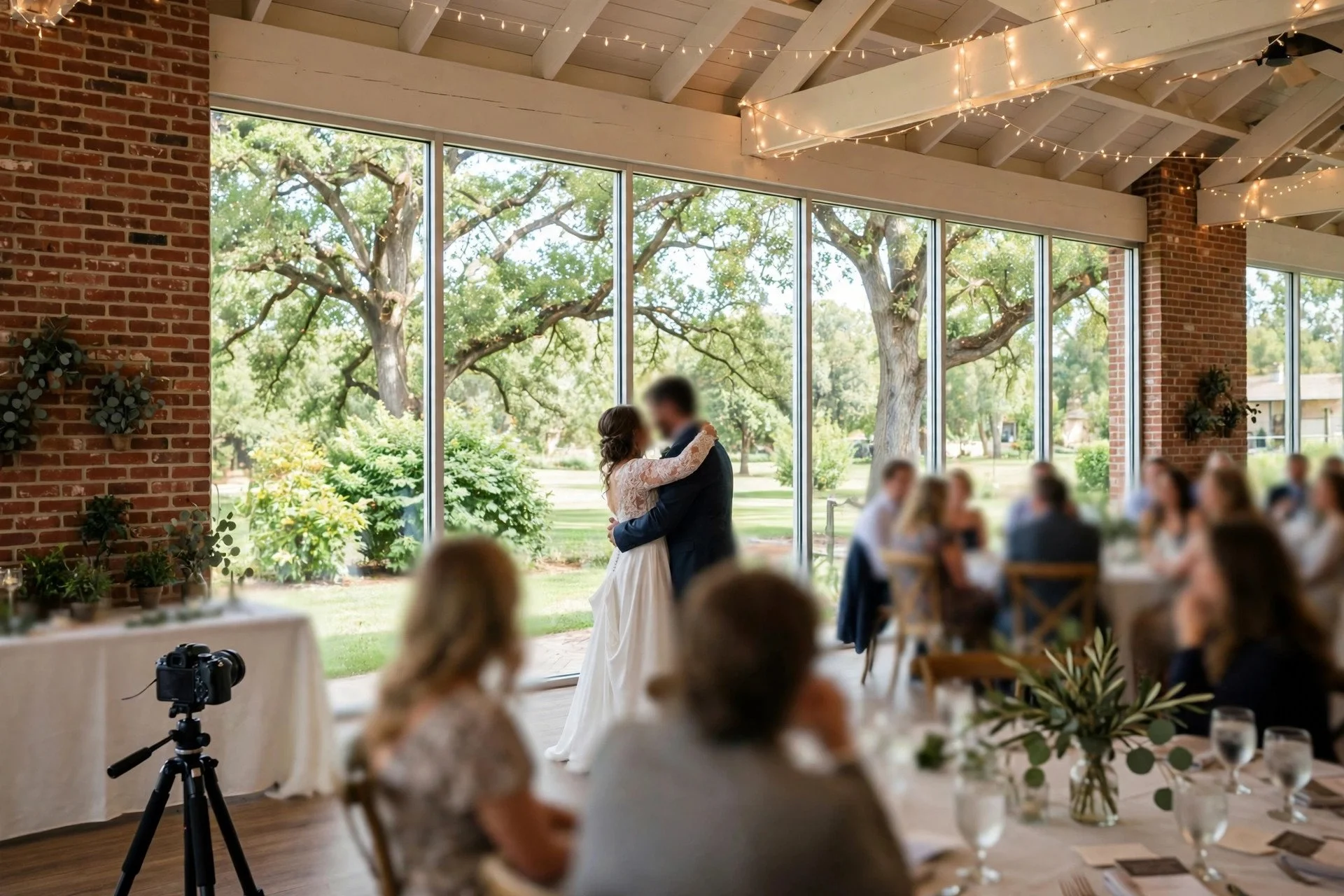
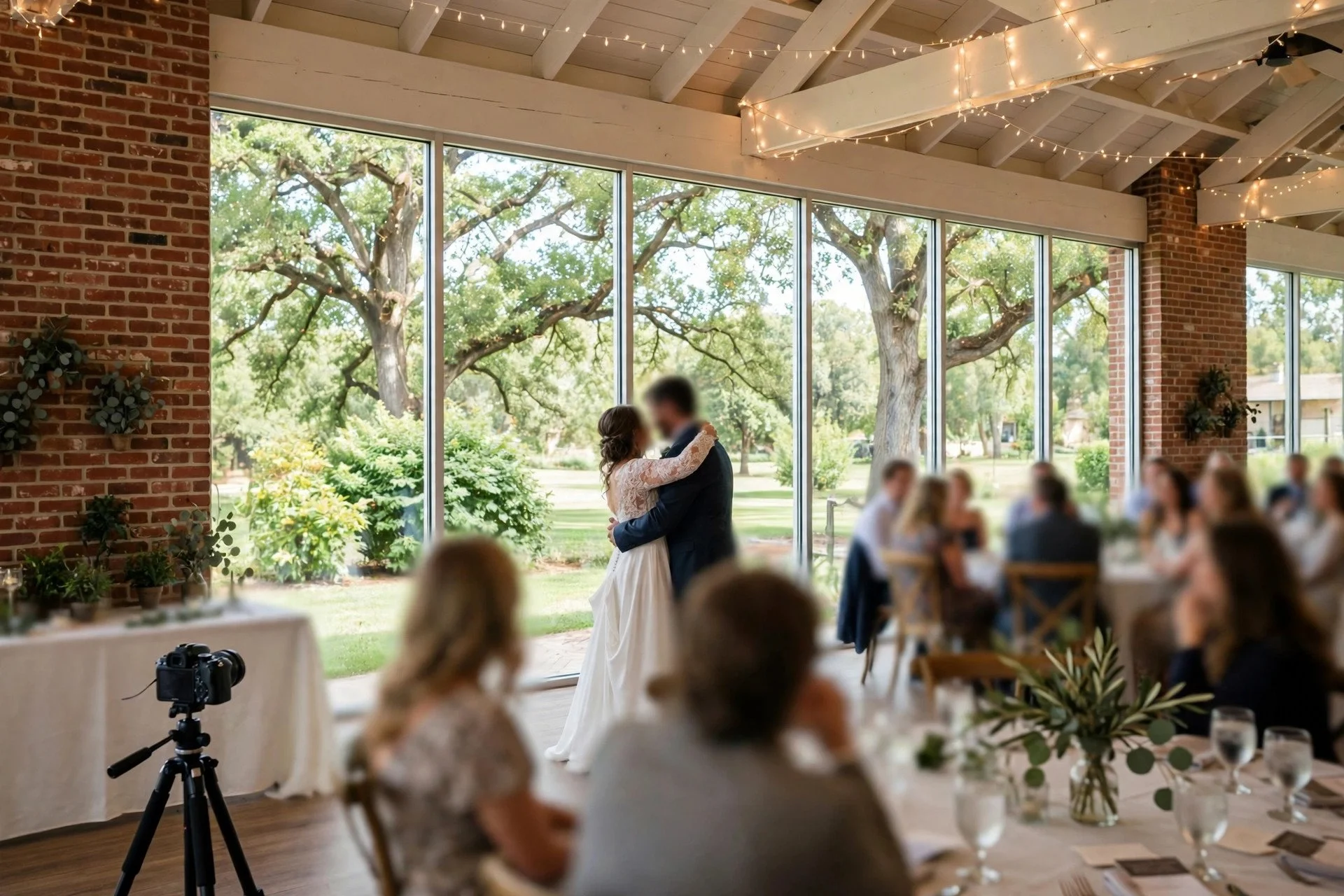
- Reception: Grand entrance, first dance, toasts, and parent dances — most of the moments you want happen in the first part of the night
Notice what's not on that list: the whole reception, start to finish. Most couples don't need the last hours of dancing — they need everything up to and including the moments they'd be upset to miss. You can see how those pieces come together in real films on my wedding videos page.
How many hours do you actually need?
Count the hours between your first planned moment and your last one:
- Ceremony through reception highlights only: Around 6 hours usually covers it
- Getting ready through the first part of the reception: Around 8 hours is the most common fit
- Getting ready through the last dance, or a spread-out day with travel between locations: 10 hours keeps you from watching the clock
The honest take: It's better to have coverage end after your last planned moment than to have it run out during it. Couples who've been through it say the same thing on my reviews page.
What can throw the timing off?
A few things quietly eat coverage time:
- Travel between locations: Getting ready, ceremony, and reception in three different places adds up fast
- A gap between ceremony and reception: A long break still uses your coverage window unless you plan around it
- Running late earlier in the day: Hair and makeup running long pushes everything after it
- A first look added at the last minute: It's a great moment — just build it into the start time
None of these are problems if you plan for them. They're only problems when nobody counts them. You can see how hours and coverage are priced on my pricing page.
Want help fitting videography into your timeline?
Share your ceremony time, reception start, and whether you're doing a first look, and I'll help you map the coverage to your day — no pressure to book more hours than you need. Check pricing and availability for your date, or look at the package comparison page to see your options.